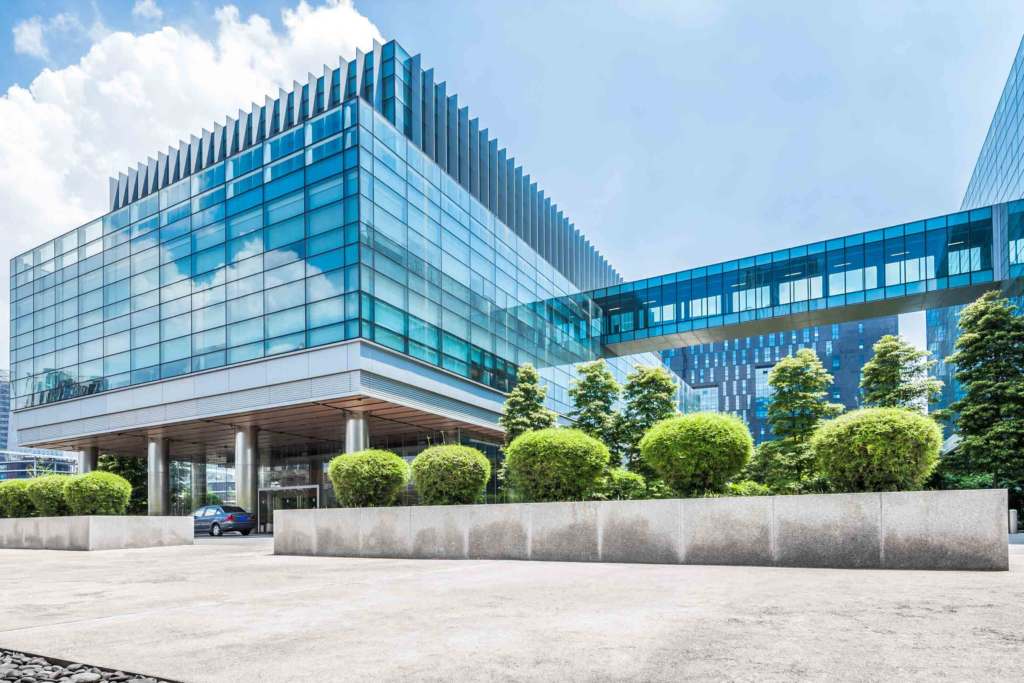

As a real estate investor, you need to know what you’re buying.
Not every office building is Class A, although some brokers tend to push listing packages, written in flowery language, exclaiming that every property they have available is the best one in its market.
Viewing the property through investment classifications can lead to more thoughtful, valuable appraisals and a more appropriate value. This is especially important in selecting a cap rate for a property.
Low–to–mid–rise office development is generally defined as having one to five stories. Location and function are of major importance to office tenants. Given the higher costs of tenant improvements and operating expenses, building management takes on a greater role, and the investor needs to be better capitalized to maintain occupancy.
The quality rating of a project indicates the competitive ability of the project to attract tenants and investors. Appraisers must be aware of how these factors affect valuations in office buildings and medical office buildings (MOBs). Presented in the following table are the general investment attributes that make up Class A, B & C office buildings. Within these classifications, there may be a few characteristics that are consistent with a Class A building, but other characteristics fall short.
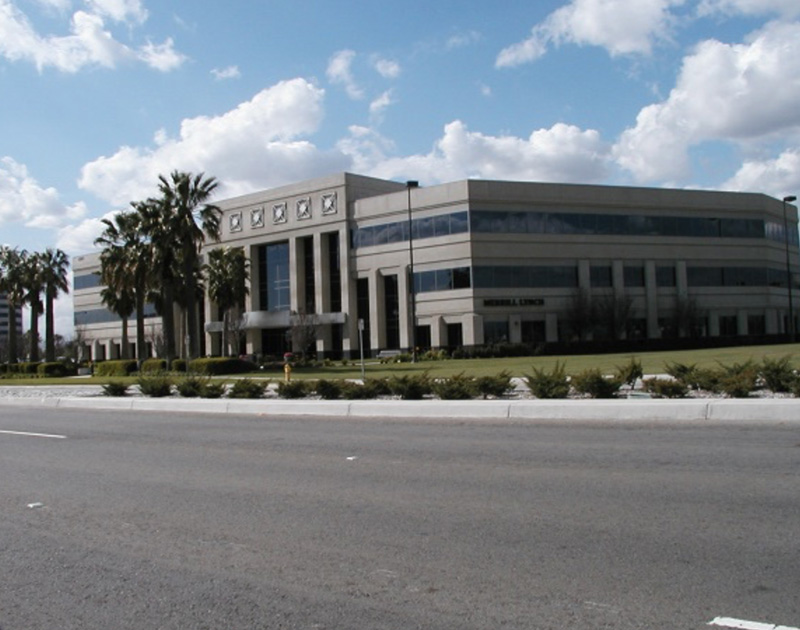
Class A
Location:
Major Office Node or Central Business District
Construction Type:
Steel Frame or Concrete & Glass (High Image)
Use:
Headquarters or Regional Office
Age:
Newer – New to 15 Years
Amenities:
Unique Design, Good Quality Tenant Finish, State of the Art Building Systems
Income Characteristics:
Institutional Grade, Credit Tenants, Highest Rent Rates & Occupancy, Some Credit Tenants, 5 to 10 Year Leases
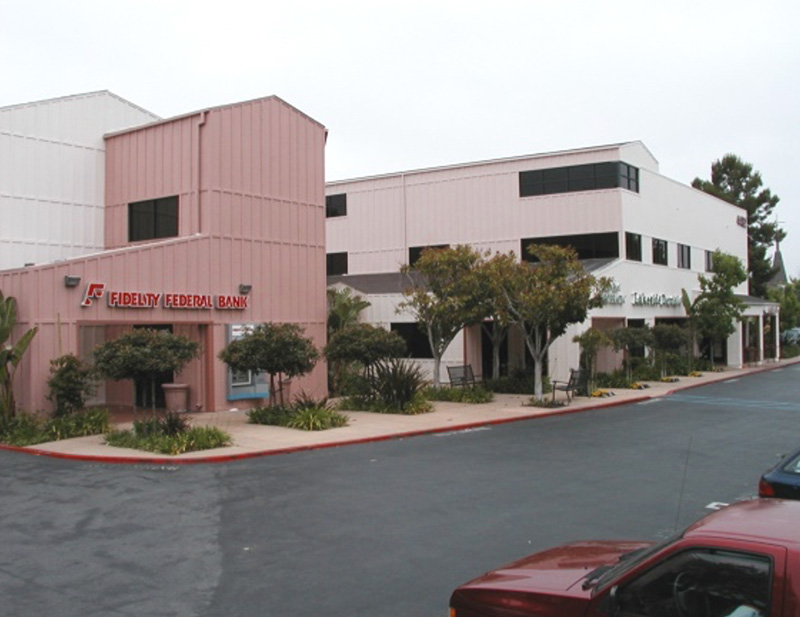
Class B
Location:
Primary to Secondary Office Node
Construction Type:
Concrete & Glass or Wood Frame
Use:
Regional or General Offices
Age:
Mid-Life – 16 to 35 Years
Amenities:
Standard Design & Tenant Build-Out, Average Building Systems
Income Characteristics:
Average Rental Rates & Occupancy, Regional or Local Tenancy, 3 to 5 Year Leases
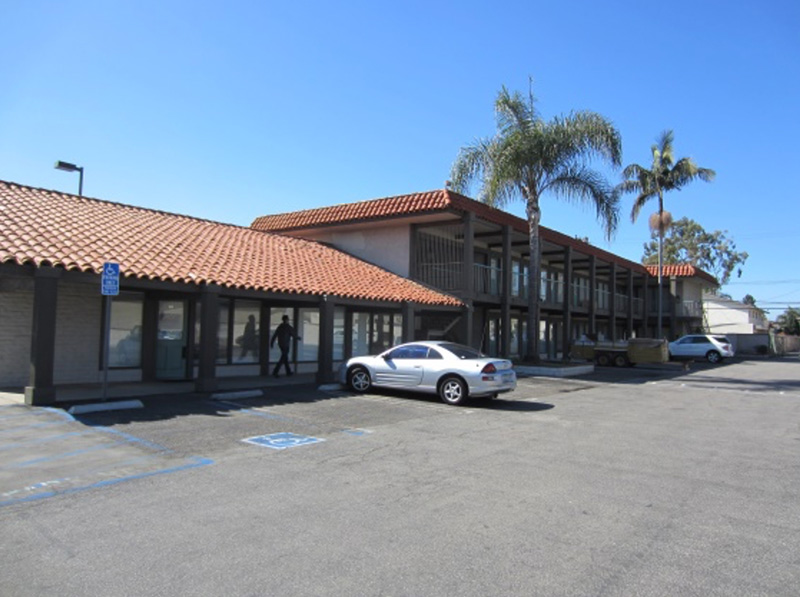
Class C
Location:
Secondary to Tertiary
Construction Type:
Frame & Stucco or Concrete Block
Use:
General Offices
Age:
Older – 36 & Up
Amenities:
Low Cost Design & Tenant Build-Out, Adequate Building Systems
Income Characteristics:
Lower Tier Rental Rates & Occupancy, Local Tenancy, 1 to 3 Year Leases
Medical office space is a specialized version of office space. This segment of the market was originally oriented primarily toward owner-users but is now becoming more mainstream as an investment product. After all, medical practices are among the most financially robust tenants in the market and need to operate from a business location. A continuing trend in the market is toward group practices which are leased by credit tenants, such as hospitals or medical groups.
These buildings are generally clustered around a hospital or located near a strong demographic pool. The fact that patients will be coming to the building increases the need for a safer, more sterile environment. Medical office product requires construction that allows for extensive plumbing, numerous restrooms, elaborate cabinetry, gas availability, and tenant-specific room designs, such as those used for operations, examinations, laboratories, X-rays, etc.
Tenant mix is another important element of medical buildings. For example, dentists in general practice prefer working in buildings with other specialists they can refer patients to, such as orthodontists, oral surgeons, or periodontists.
Likewise, medical doctors prefer to be around other specialists in the medical field, such as orthopedists, radiologists, internal medicine specialists, cardiologists, and pharmacists, etc. Presented in the next table are investment classifications for medical office buildings.
Class A
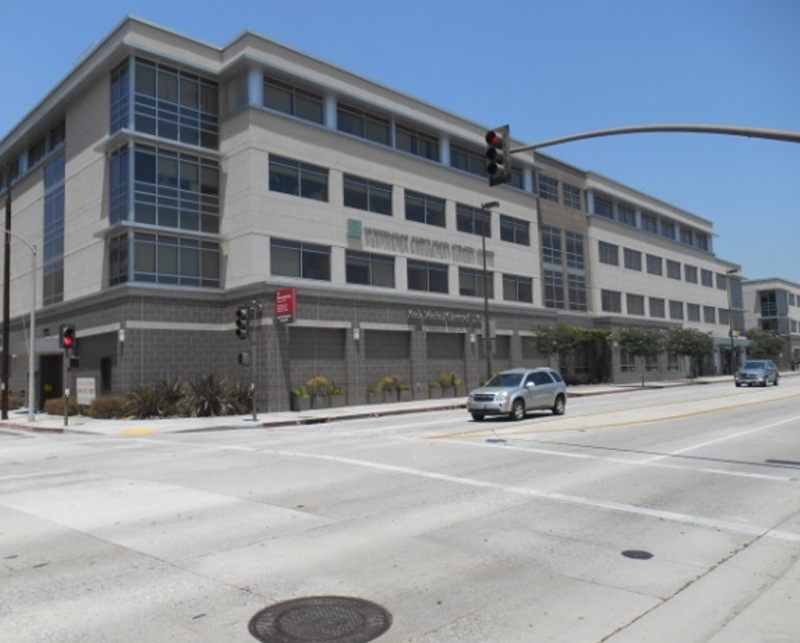
Location:
On-Campus to Major Hospital
Construction Type:
Steel Frame or Concrete & Glass (High Image)
Use:
Out-Patient Surgery, Medical Specialty, Imaging
Age:
Newer – New to 15 Years
Amenities:
Unique Design, Good Quality Tenant Finish, State of the Art Building Systems, Covered Parking
Income Characteristics:
Institutional Grade, Credit Tenants, Highest Rent Rates & Occupancy, Hospital & Strong Doctor Practices, 10 to 15 Year Leases
Class B
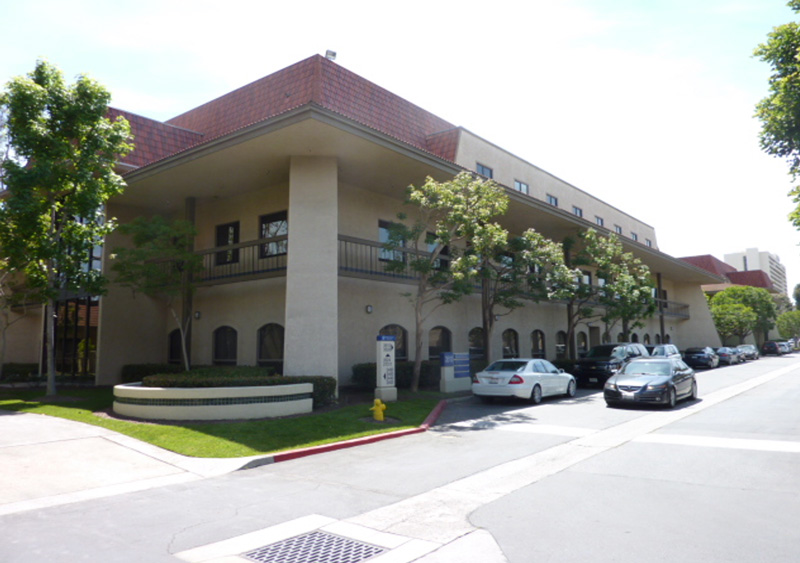
Location:
On-Campus or close to Hospital
Construction Type:
Concrete & Glass or Wood Frame
Use:
Group Medical Practices, Clinics & Dental
Age:
Mid-Life – 16 to 35 Years
Amenities:
Standard Design & Tenant Build-Out, Average Building Systems
Income Characteristics:
Average Rental Rates & Occupancy, Regional or Local Tenancy, 5 to 10 Year Leases
Class C
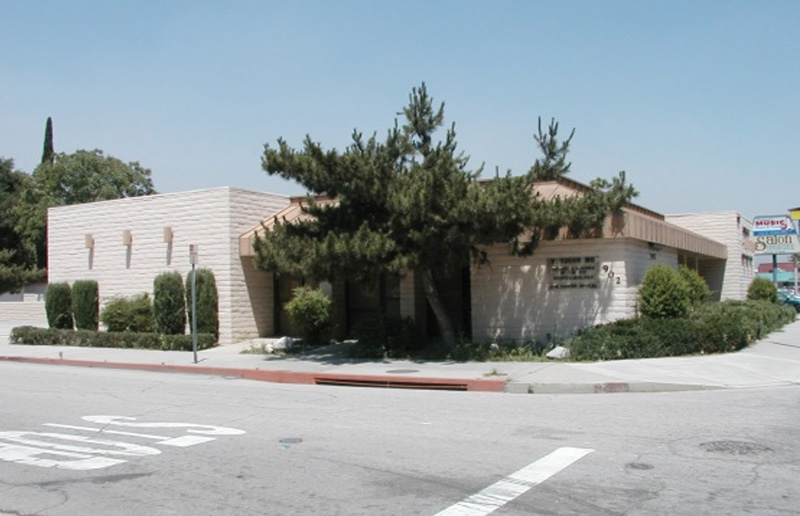
Location:
Off Campus, Suburban
Construction Type:
Frame & Stucco or Concrete Block
Use:
Single Doctor Offices & Dental Offices
Age:
Older – 36 & Up
Amenities:
Lower Cost Design & Tenant Build-Out, Adequate Building Systems
Income Characteristics:
Lower Tier Rental Rates & Occupancy, Local Tenancy, 3 to 5 Year Leases
John D. Penner, MAI, is a Senior Managing Director for Valbridge Property Advisors | Orange County. He can be reached at 714.449.0852 or jpenner@valbridge.com.
The information contained in this publication is for informational and educational purposes only. It is not financial, legal, or other professional advice, and you may not rely on it for any purpose. To secure professional advice for your particular situation, you must engage one or more appropriate professional advisors to advise you about your situation.
Related Services
Comprehensive Valuation and Advisory Services – Office